
Your main options
To recommend a treatment we consider your medical history, the condition of your mouth and how many teeth are missing. Options include:
- Dentures, full or partial. They are removable and made to look like natural teeth. See our dentures and partial dentures.
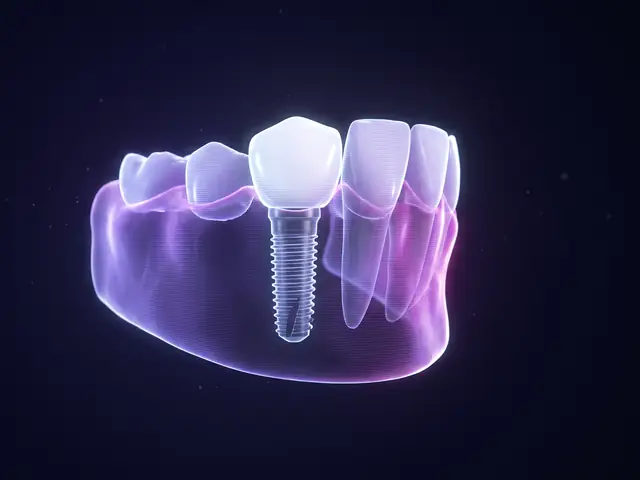
- Implants. They take longer, but they are more durable, and they work well for people missing several teeth. See dental implants.
- Bridges. Artificial teeth are attached to crowns on the natural teeth beside the gap, which keeps nearby teeth from shifting. See dental bridges.
Every option has benefits and trade-offs, so we talk them through openly before you decide.
How long each option lasts
Durability matters, because nobody wants to redo the same work every couple of years.
- Implants are the most durable. With good care they can last up to 20 years or more, and because they replace the root, they are as stable as natural teeth.
- Bridges last less than implants, but can serve you for a decade or longer. They are fixed in place, and regular visits let us watch for wear.
- Dentures are moderately durable and are replaced more often than implants or bridges, roughly every five to ten years. Most foods are still possible.
Does age matter?
Functioning teeth matter at any age, and we consider your age as one factor. Some older adults prefer dentures because they are easier to clean and they do not need a solution that lasts 20 years or more. Younger people are often more active and social, and are more likely to be in good general health, so they may prefer implants. Good overall oral and physical health is part of what makes someone a good implant candidate.
How replacing all teeth works
- We schedule a consultation, examine your mouth and gums, and take X-rays.
- The dentist recommends a treatment. Any remaining teeth or diseased gum tissue are removed first.
- For dentures or implants, we measure your mouth and take impressions, and a lab makes your prosthesis to fit. Dentures may need several fittings.
- For implants, you have surgery to place them. After healing, we attach abutments, and a few months later the individual teeth go onto the posts.
Common questions
How can replacing all my teeth improve my life?
It improves speech, eating, appearance and oral health. Leaving gaps unreplaced can lead to oral health problems.
What can I eat with a complete replacement?
With dentures or implant-supported dentures you may need to avoid hard or tough foods such as carrots, apples, nuts and tough cuts of meat. With implants, you usually do not need to change your diet. Brush and floss either way.
How long is the adjustment period?
Implants feel like real teeth, so there is no adjustment period. New dentures may take about 30 days to get used to, and you may feel some soreness in the jaw at first.
How do I care for them?
Implants are cleaned as usual with brushing, flossing and mouthwash. Dentures should be rinsed after each meal and soaked in a cleaning solution overnight. Keep your regular dental visits.
When do I need to replace them?
Dentures are typically replaced every five to ten years, and the bridge of an implant-supported denture may also need replacing in time. Implants can last for decades, so they may never need replacing.