
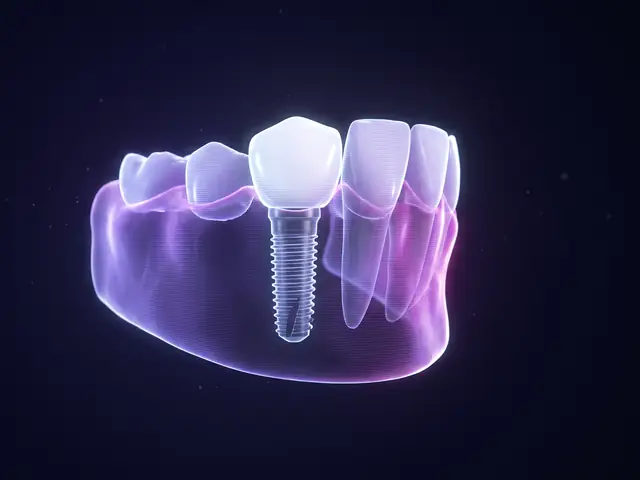
What a dental implant is
A dental implant is a small titanium post placed in the jawbone to act as the root of a replacement tooth. Once the area has healed, the post is topped with a crown, a bridge or a denture. Unlike a removable denture, an implant needs no adhesive and does not come out at night. Of all the ways to replace a tooth, it works most like a natural one.
How we decide if implants are right for you
At your visit we examine your mouth and talk through your overall health. Implant treatment involves surgery, so you need to be healthy enough to heal well. If we find a problem, we may recommend treating it first so that you can become a candidate.
Some conditions and habits can change the way bone heals around an implant and how long the implant lasts:
- Heart and circulation conditions
- Diabetes
- Heavy alcohol use
- Smoking
- Certain medications, such as NSAIDs, antidepressants and bisphosphonates
Tell us about every condition and medication. Any existing condition should be treated and under control before surgery, which lowers the risk of infection.
Healthy gums
Gum disease is the leading cause of tooth loss in adults, and it is one of the most common reasons a person cannot have implants right away. It damages the gums and the bone that hold your teeth. Because an implant fuses with the jawbone, an infection in the gums can put the bone, and the implant, at risk. Until gum disease is under control, we will not recommend implants. Our gum disease treatment can help you get there.
Enough jawbone
The jawbone is the main support for an implant. If it is thin or weak, the new tooth can come loose over time. We check that your bone has the strength and density to hold an implant. Bone can be lost to advanced gum disease or simply because it is no longer stimulated after a tooth is gone. When that happens, a bone graft can rebuild it.
What the process looks like
- Damaged teeth are removed and, if needed, the jaw is prepared with a bone graft.
- The titanium post is placed in the jawbone.
- The bone heals around the post. This takes time and cannot be rushed.
- The new tooth or teeth, as a crown, bridge or permanent denture, are attached.
Everything is done in outpatient visits, with healing time between them. The whole process can take many months. The exact length and number of procedures depend on your situation, and bone grafting makes it longer.
Not sure if implants are right for you? Call us at (781) 289-3331 to schedule a consultation.
Common questions
Can I get implants if my teeth are crooked or crowded?
Crowding can get in the way. We may remove a tooth to make space, and some patients need their teeth straightened before implants can be placed.
Is there an age limit for implants?
Implants are for adults whose permanent teeth have come in. Older patients can have them, but people who have worn dentures for a long time may have lost bone. In that case a mini implant, whose post is shorter and needs less bone, may suit them better.
Can I get implants if I wear dentures?
Often, yes. Implants can hold your denture in place. This usually gives a firmer, better fit and helps slow the jawbone loss that is common in denture wearers.
How long does it take to get dental implants?
Placing the implants may take about an hour, depending on how many you need. Then the bone needs time to heal around them. Once that is done, attaching the final tooth is quick.
What are the risks?
As with any surgery, there are some. They include infection, injury to nearby structures, sinus problems and nerve damage. Problems are rare, and they are usually minor and treatable.