
Why bone is lost, and why it matters
Natural teeth do more than chew. They also stimulate the jawbone. When a tooth is lost, the bone under it loses its job and a process called resorption begins: the body absorbs calcium from the jawbone and uses it elsewhere. Over time there is less bone left to bond with a titanium implant and hold it firmly.
A graft restores that density. It is usually recommended for people who plan to replace missing teeth with implants, and for those with tooth loss, gum disease or bone loss. Without enough support, an implant has a higher risk of failing. We offer bone grafting when it is needed and stay with you through the whole implant process.
Types of bone graft
A graft transplants bone tissue to rebuild the area. Once it heals, the bone is thick and strong enough to hold an implant. The material can come from different sources:
- Autograft: bone from your own body, such as the chin, jaw, hip or leg. There is no risk of rejection.
- Allograft: bone from another person, specially treated so that only pure bone material remains. The risk of rejection is minimal, and you avoid a second surgical site.
- Xenograft: bone from an animal source, treated to make it safe for you.
- Alloplastic graft: a synthetic, biocompatible material.
Your dentist chooses the one that suits you best.
How the procedure works
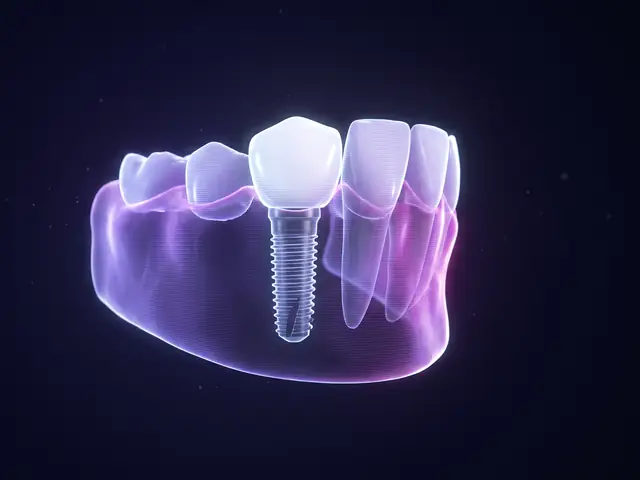
In a minor surgery, the graft material is placed in the jawbone where the tooth was missing. The graft then has to heal and fuse with your existing bone, which typically takes two to three months. If there is enough bone, the implant can sometimes be placed during the same procedure, and new bone then grows around it. When a large part of the bone is missing, placing the implant right away is not possible or advisable.
Helping the bone heal
To speed healing, the dentist may suggest platelet-rich plasma, which uses a concentration of platelets from your own blood to encourage tissue regeneration, or bone morphogenetic protein (BMP), a natural protein that promotes new bone growth and can reduce the need for graft material from another source.
Recovery and aftercare
Swelling, bruising and light gum bleeding can follow the procedure. Stick to soft foods, avoid dark and sugary drinks, and keep your mouth clean by brushing and flossing gently and using mouthwash. For implant placement and recovery, see our guides to post-op care and the recovery process.
Choosing who does your graft
An oral surgeon or implant specialist has the most experience with grafts. Ask about their training, how many grafts they have done and how those turned out. Before-and-after photos and patient reviews can help. A dentist certified by the American Academy of Implant Dentistry is a good sign.
Common questions
What are the benefits of a bone graft?
It can make implants possible for people who otherwise could not have them. Once the jaw heals, it is strong and stable enough to hold implant posts for the long term.
How do I know if a specialist is experienced?
Ask for references and before-and-after pictures. Ask them to explain the procedure, including risks, side effects and medications, and what continuing education they do to stay current.
Can I get the implant right after the graft?
Sometimes. If you have enough bone around the implant site, it may be placed during the graft procedure. If a large part of the bone is missing, it will have to wait.