
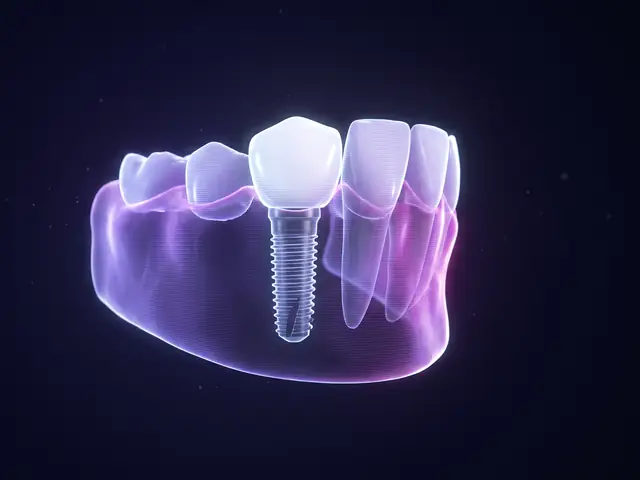
What happens at the consultation
We talk about what you want from treatment, examine your mouth and explain what to expect. We also need your medical information: past dental treatment, allergies, medications, family history and anything else that bears on your care. We will tell you which paperwork to bring.
Write your questions down before you come. If something comes up earlier, call us. We are glad to answer. Before implants, we may need to prepare the mouth, for example with a bone graft or treatment for gum disease. Once your mouth is ready, we schedule the placement. You can also read about who is a good candidate.
Questions about the procedure
- Where will the implant be placed? Some dentists place implants themselves, while others refer patients to an oral surgery specialist. The procedure may happen in the dental office or at a specialist's office, so ask in advance.
- How long will it take? The full process can run from several months to two years. The placement itself is done in one session, and you almost always go home the same day. The time depends on the location and number of implants.
Questions about recovery
Mild to moderate discomfort is common after placement, along with gum swelling, light bleeding and extra sensitivity. The first couple of days are usually the hardest. Most people have swelling and tenderness for up to a week, and full healing can take longer. Ask how long to rest, when you can eat normally again and what aftercare instructions to follow. Our guides on aftercare and the recovery process go into more detail.
Questions about risks
Some health conditions can complicate implant treatment: autoimmune diseases, allergies, diabetes, gum disease, osteoporosis and osteopenia. Certain medications, smoking, chemotherapy and radiation to the head or neck can also play a part. Good questions to ask include:
- Will my medications affect treatment?
- Will my health condition affect the procedure?
- What are the most common risks, and can complications be reversed?
- How safe are implants for me right now?
- What side effects should I expect, and what should I do if I have them?
- What are my alternatives if my risk is high?
Questions about follow-up
Follow-up visits let us watch your healing, answer concerns and make adjustments. They also protect the stability of the implants. At first, visits may be monthly. After you heal, implants can be checked at your twice-yearly checkups. Your treatment plan will include these visits, and we schedule them according to your case.
Common questions
What should I look for in the dentist who places my implants?
Experience with implants, good reviews from previous patients, and the right training and license. Pay attention also to how the dentist explains things and whether you feel confident in the care.
How long does the consultation take?
Usually not long. The dentist typically takes only dental X-rays at this visit. One of its main goals is to help you choose the right way to replace your teeth.
What happens after the consultation?
If you and the dentist agree to go ahead, you may first need preparation such as bone grafting or gum disease treatment. Once your mouth is ready, we set a date for the implant placement.