
Who needs a full replacement
Complete replacement is meant for people who have lost most or all of their teeth. This usually comes from severe infection or decay, gum disease, trauma, bone loss or an abscess. Sometimes the damage spreads from one tooth to the whole mouth, and removing all the teeth is the only way forward. In that case we may recommend a full-mouth extraction to prepare for complete dentures. See our tooth extraction service.
The best choice depends on your lifestyle, your diet, how much the jawbone has deteriorated and your budget. We assess each patient and recommend the best solution.
Complete dentures
There are two kinds: conventional and immediate. Conventional dentures are placed after the gums have healed, usually eight to 12 weeks after the teeth are removed. Immediate dentures are made in advance, so they go in as soon as the teeth come out. They are quick, but they need more adjustments as your gums heal, and they are only temporary until the lab finishes your conventional set. Read about immediate dentures.
Implant-supported options
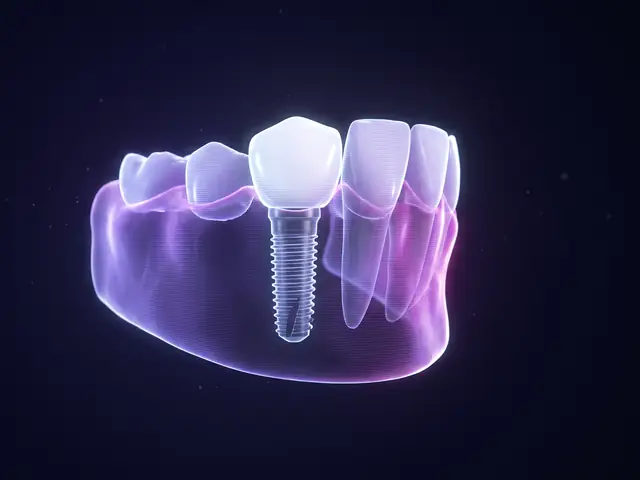
Implants can also hold full bridges or dentures. These look and work like natural teeth and are long-lasting, and they can be more comfortable and stable than conventional dentures, so biting and chewing feel more natural.
- A titanium post is placed in the jawbone and given time to fuse with the bone.
- Temporary healing caps and connectors are placed.
- The new bridge or denture is made and attached to small metal posts called abutments.
A denture supported by implants often uses four implants for a lower arch, and up to six for the upper arch. Two implants go in the front of the arch, and the others are placed on each side, angled toward the back of the mouth. The denture then snaps onto special attachments. Learn more in implant-supported dentures.
Why replace the teeth
Leaving the gaps affects speech and eating, and over time it affects the jaw and facial muscles. As the mouth shifts, the shape of the face can change. Replacing the teeth helps avoid these problems. For an overview of every option, including bridges and dentures for a few teeth, see options for replacing missing teeth.
Common questions
What can I eat with a complete replacement?
With dentures or implant-supported dentures you may need to avoid carrots, apples, nuts and tough meat. With implants there is no need to change your diet.
How long is the adjustment period?
None for implants, which feel like real teeth. Dentures can take about 30 days to get used to, with some jaw discomfort at first.
How do I care for my new teeth?
Implants need the usual brushing, flossing and mouthwash. Rinse dentures after meals and soak them overnight in a cleaning solution. Keep your regular dental visits.
When will I need to replace them?
Dentures are typically replaced every five to ten years. The bridge on an implant-supported denture may need replacing after a time. Implants themselves can last for decades.