
Choosing among the options
The number of missing teeth is the biggest factor. Bridges use artificial teeth, called pontics, to close a gap. Implants suit people with a few missing teeth who want something that does not come out for cleaning and looks and works like natural teeth. If a few teeth remain, a partial removable denture can attach to them. With good care, implants can be more durable and last longer than the other options.
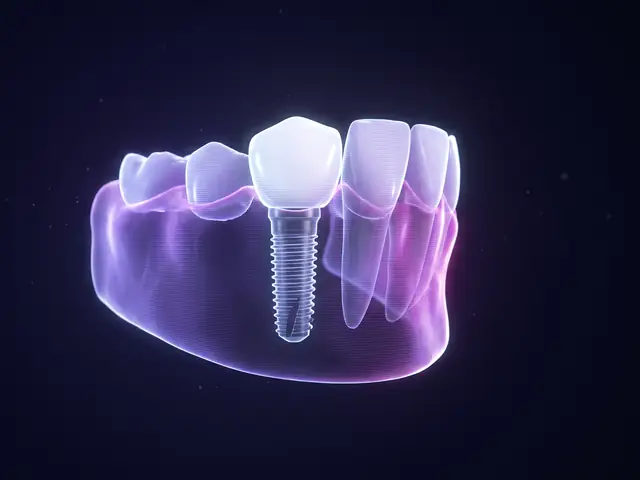
Dental implants
Implants look like natural teeth and leave nearby teeth untouched. They have high success rates, are sturdy and need little maintenance. On the other hand, they cost more, require surgery and can have a long recovery. See dental implants.
Dentures
A full set of dentures is a good choice when someone has no teeth left or has other oral health problems. They are often less painful to get than implants. Dentures let you eat most foods, can be taken out for cleaning, protect any remaining teeth from extra wear and restore the shape of the face.
The downsides: dentures can slip, they do not look quite as natural as implants, they need to be removed and cleaned every day, and gum disease risk rises if they are not well cared for. Learn more about dentures and partial dentures.
Dentures secured by implants
Implant-supported dentures are among the best options available. The implants anchor the denture directly to the jawbone, so it works much like natural teeth. They irritate the gums less, remove the need for adhesive and improve speech, confidence and chewing. They cost more, may need a longer recovery and require enough bone. See implant-supported dentures.
Bridges
Bridges are usually the answer when one or two teeth are missing. Teeth or implants on either side of the gap hold them in place. The artificial teeth are most often porcelain, matched to the shade of your other teeth, and sometimes gold. Bridges are fixed, so they work well, and they do not depend on the shape or strength of your jawbone. The types are:
- Traditional bridge: a crown on each neighboring tooth holds the bridge.
- Maryland bridge: bonded to the natural teeth with metal or porcelain.
- Cantilever bridge: for a gap with a tooth on only one side, with a single crown to secure it.
- Implant-supported bridge: for people with no neighboring teeth by the gap.
Bridges keep nearby teeth from shifting and restore speech, smile and facial structure. Drawbacks: ill-fitting crowns can let bacteria and plaque in, crowns change the shape of the supporting teeth, and damage to those teeth can compromise the bridge. See dental bridges.
Temporary options
Sometimes teeth have to be replaced right away. Partial flippers, partial dentures and immediate dentures are all possible. A flipper is a removable acrylic partial denture that rests on the lower jaw or the palate. A partial denture replaces one or more teeth on the same arch. Immediate dentures restore your smile right after extraction. See immediate dentures.
Replacing all teeth
Even with careful brushing and flossing, some people lose all their permanent teeth. The two most common options are traditional dentures and dentures secured by implants. Traditional full dentures use denture adhesive and natural suction, and have to be removed and cleaned every day. For more detail, see options for replacing all of your teeth.
Common questions
Should I replace missing teeth?
Yes. Missing teeth are an oral health problem, not just a cosmetic one. Even losing a single tooth can lead to bone loss and sagging muscles.
Does age affect my options?
Several factors matter, but no age is too old or too young.
Which option is right for me?
We examine your mouth and review your medical history, then explain the benefits and changes in routine of each option so we can tailor treatment to you.
Is replacing multiple teeth expensive?
It can be, especially without dental insurance. We can help you find the most affordable option for your situation.
Does it hurt?
It depends on the option you choose. At your consultation the dentist can explain what to expect.