
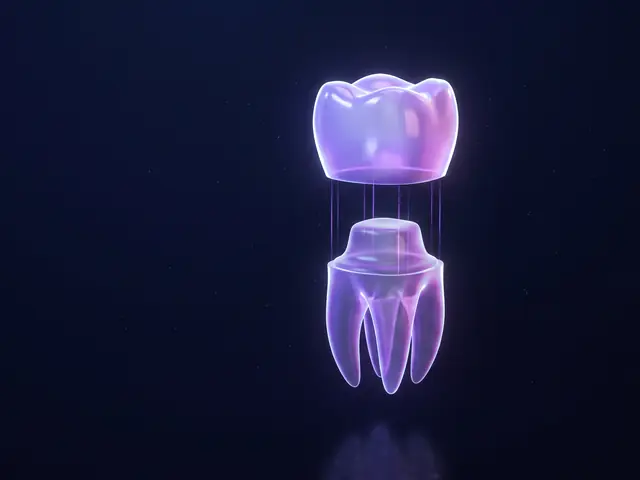
How a bridge works
A bridge is made of replacement teeth set on a frame that attaches to the teeth on both sides of the gap. Natural teeth that anchor the bridge are fitted with crowns, or the bridge can be anchored to implants. We bond the bridge in place with dental cement. If it ever breaks or wears out, a dentist can remove it and fit a new one.
Bridges most often replace one to three adjacent teeth. Sometimes they can replace more, even a full arch, depending on whether you have strong natural teeth or enough jawbone to hold several implants. A bone graft can make implants possible for patients with bone loss.
Replacing missing teeth is about more than looks. A full set of working teeth matters for your overall health. After evaluating you and reviewing your medical history, our dentist explains your options and recommends a plan. We work with top dental labs so the bridge fits well and looks natural, and we choose teeth that match the color and shape of your own so your bite and spacing stay right.
Types of bridges
- Traditional: one or more replacement teeth with a crown on each side. The anchor teeth are ground down slightly, and the crowns are cemented over them.
- Cantilever: similar, but used when there is only one anchor tooth.
- Maryland: a metal framework bonded with resin to the back of the neighboring teeth, so those teeth do not need crowns.
- Implant-supported: attached to the jawbone with dental implants, usually one per missing tooth.
Benefits
- Look, feel and work like natural teeth, so eating and speaking feel normal after a short adjustment
- Can be brushed and flossed in place, unlike removable dentures
- Cost less than implants, though they may cost more than removable dentures
- Help address embarrassment, difficulty eating and the slow loss of jawbone that follows missing teeth
Bridges and dentures
A bridge is fixed. Dentures can be fixed or removable, and fixed dentures require implants, while a fixed bridge does not. Both can look and feel natural and last a long time. Most patients can choose, but your oral health sometimes points to one option. Removable dentures are taken out every day and need no extra procedures; bridges generally fit and feel more natural. See dentures and implants.
Adjusting and caring for a bridge
Expect mild discomfort for the first few days. Eat softer foods and avoid sugary and acidic foods and drinks while you adjust. Keep brushing, flossing and using mouthwash. We will show you how to floss around the bridge and crowns so bacteria do not build up. Tell us promptly if something feels wrong, so a small issue does not grow.
Call (781) 289-3331 if pain or sensitivity lasts or gets worse, or if the bridge is damaged or keeps coming loose.
Common questions
How long does a bridge last?
Usually 10 to 15 years. Good home care and regular dental visits can extend that.
Is sensitivity normal after getting a bridge?
Yes, and it usually fades within a few weeks. Avoid very hot or cold foods meanwhile. The American Dental Association also advises limiting acids, which some mouthwashes contain, so ask us about alternatives.
Why does my bridge keep coming loose?
Most often because of decay in the supporting teeth. Gum disease can also be a cause. Call us right away if this happens.
When should I see a dentist about my bridge?
A little discomfort right after placement is normal. Contact us if pain or sensitivity persists or worsens, or if the bridge or crowns are damaged.
How is a bridge different from dentures?
A bridge stays in your mouth, while dentures come out daily. A bridge usually fits and feels more natural, but it needs crowns or implants, which dentures do not.