
What restorative dentistry is
A dental restoration is any treatment that returns a damaged tooth to a healthy, working state. The goal is to protect as much of your natural tooth as possible. Restorations focus on function and health. Teeth often look better afterward too, but that is a side benefit rather than the main purpose, which is what separates restorative work from cosmetic dentistry.
Restorative dentistry is not a dental specialty, and general dentists perform most of these procedures. If your case needs a more specialized approach, we may refer you to a specialist and coordinate with them. We will talk about this at your first consultation.
Direct and indirect restorations
Direct restorations are done in the mouth, usually in one visit. The most common one is a filling: we remove the decay, place the material and harden it with a special light. Filling materials include tooth-colored composite, silver amalgam and glass ionomer. Each has its place, depending on where the cavity is and how large it is. Learn more about composite fillings and dental bonding.
Indirect restorations are made outside the mouth to fit your tooth, so they usually take more than one visit. They hold up well when the damage is more serious.
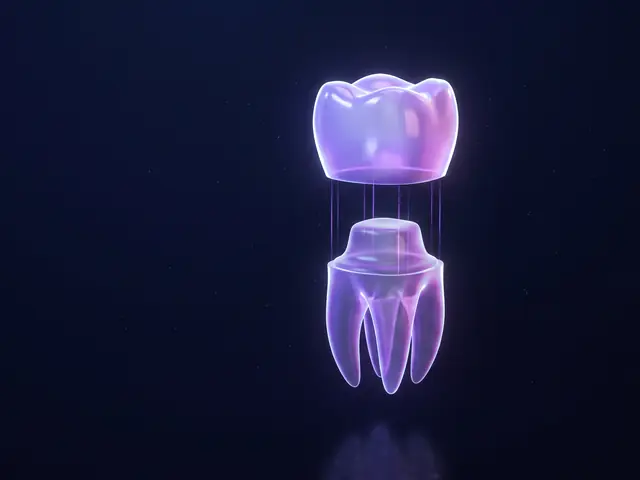
- Crowns: a cap that covers the whole tooth
- Inlays and onlays: custom pieces that repair part of a back tooth
- Veneers: thin coverings for the front of a stained, chipped or worn tooth
- Bridges: replace one or more missing teeth
- Implants: artificial roots that support a crown or bridge
When you might need one
Restorations help teeth weakened by decay, chips, fractures or wear from grinding. Even a small cavity you cannot feel is worth treating, because repair can stop decay before it spreads. Lighter damage is usually handled with a direct restoration. Teeth that need more support are better served by an onlay or a crown.
Benefits
- Repairs broken, worn or missing teeth
- Helps protect the natural tooth and the structures around it
- Keeps neighboring teeth from shifting
- Supports comfortable chewing and a healthier bite
- Relieves pain caused by damage or decay
Restorative care at every age
Children, teens and adults can all have restorative treatment, though the approach changes. For children, we protect developing permanent teeth and aim for a calm experience. Teens are still growing, so we take their jaw and facial development into account. For older adults, we consider other health conditions and medications that affect the mouth. If you are pregnant, tell us. The American Dental Association reports that dental treatment with local anesthetic is considered safe during pregnancy, and we can talk through your options.
Call us at (781) 289-3331 if you have a broken, painful or missing tooth. We will examine it and explain your options.
Common questions
How do you replace a missing tooth?
Common options are a crown over an implant, a bridge, or a partial or full denture. Crowns and implants suit a single tooth. Bridges and dentures are often used for several teeth.
Do you try to save the tooth before pulling it?
Yes. No replacement works quite like a natural tooth, so we try to restore it first. If decay, deterioration or infection is severe, removing the tooth may be the healthier choice.
What are the most common restorations?
Fillings and crowns. Fillings treat cavities at any age. Crowns often finish the job after a root canal or severe decay.
Can children have restorations?
Yes. Restorative care is available at every age, although fewer options are suitable while a child's teeth and mouth are still developing.
Is a restoration the same as cosmetic work?
No. Restorations aim to repair function and health. Cosmetic treatments mainly change appearance, even though some, like veneers and crowns, can do both.