
Inlays and onlays explained
Both work like a filling: they sit where a cavity was and seal the tooth. The difference is that they are made to order, from an impression of your tooth, in tooth-colored materials such as ceramic, porcelain or a specialized composite. In the past they were made only of gold.
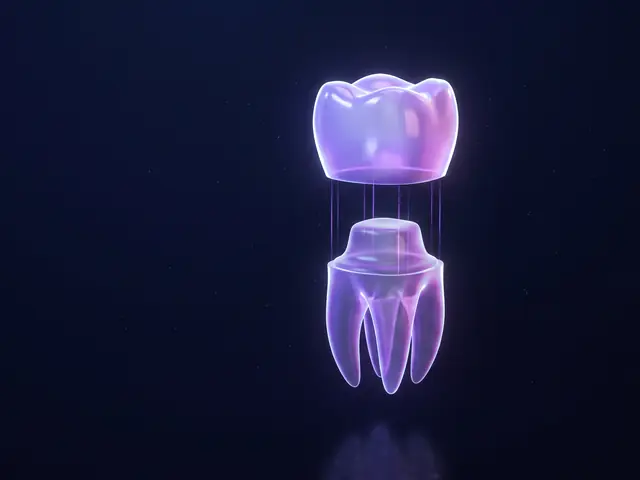
An inlay fits in the center of a back tooth and covers part of the chewing surface. An onlay goes further and covers one or more cusps, the points or ridges along the sides. That makes an onlay the better choice for a larger cavity, or when decay extends over the top of the tooth. Some people call onlays partial crowns.
We attach either one with a tooth-colored bonding material that seals the tooth, reduces sensitivity to temperature and certain foods, and can add strength to the tooth. The bonding may also improve the look of a stained tooth. Many inlays and onlays replace old silver or gold fillings, so the decay has already been removed and the visit is usually simple and comfortable.
Inlay or filling
Because an inlay is shaped to the exact size of the cavity, it supports the tooth instead of weakening it. A dentist may still choose a regular filling if you are allergic to the inlay material, though there are often alternative materials that can work for you.
Onlay or crown
An onlay is less aggressive than a crown and keeps more of your tooth. It is a good fit when the tooth is mostly intact but some edges need replacing. If the tooth has extensive damage or decay, a crown is more likely. We will examine you and recommend the better option.
Inlays, onlays and veneers
They are different treatments. Inlays and onlays repair and protect the chewing surface. Veneers cover the front of a tooth where it shows when you smile, mainly for cosmetic reasons such as stains, chips or crookedness. Veneers do not give the structural support of an inlay or onlay, so for decay or damage, inlays and onlays are preferred. See veneers.
Benefits
- Preserve more of your natural tooth, which is better for long-term oral health and makes cleaning easier
- Durable, and designed to blend with your natural tooth color
- Can last a long time with proper care
Getting one
Inlays and onlays are made outside the office, so treatment takes two visits. At the first, we remove decay or old filling material, take an impression and protect the tooth with a temporary covering. At the second, we place the finished piece.
Mild soreness or sensitivity to hot and cold after placement usually settles in a day or two. Call (781) 289-3331 if it does not.
Common questions
What is the difference between an inlay and an onlay?
An inlay fits within the center of a back tooth and covers part of the chewing surface. An onlay covers more of the tooth, including one or more cusps. Both are made from an impression for a precise fit.
Can I get one in a single visit?
No. They are made off-site, so you need two visits. A temporary covering protects the tooth in between.
What can I expect afterward?
A little discomfort, and most patients adapt to the new chewing surface quickly. Sore tissue or sensitivity to hot and cold should settle in a day or two.
Does insurance cover inlays and onlays?
It depends on your plan. Contact your insurer, and our staff will help you work out any out-of-pocket costs.