
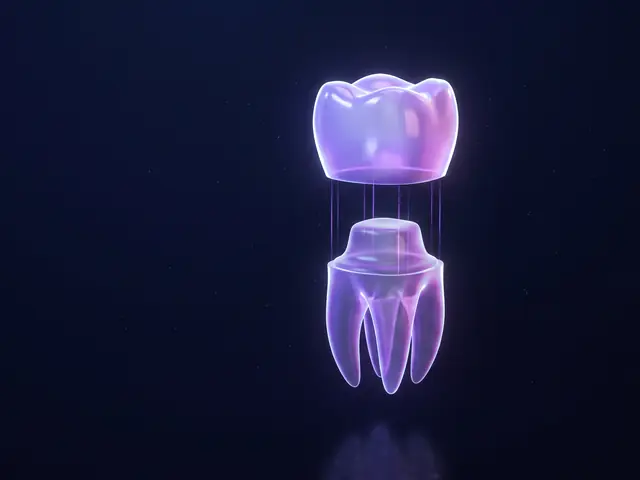
How bonding works
Bonding is a cosmetic treatment in which we apply a durable composite resin to the surface of a tooth and harden it with a special light. The resin is soft at first, so we can shape it and match its color to your natural teeth. Once it sets, it is trimmed and polished to blend in. It does not usually need anesthesia.
Who it is for
Bonding suits cosmetic concerns that do not call for major restorative work. Good candidates have healthy teeth without extensive decay or trauma, roots in good condition and most of the enamel intact. It can help with:
- Minor chips and cracks
- Discolored teeth
- Small gaps between teeth
- Misshapen or unusually sized teeth
- Roots exposed by receding gums
What to expect
- We choose a resin shade that matches your tooth.
- If we need to reshape the tooth or the damage is near a nerve, we may use a local anesthetic for your comfort.
- We roughen the tooth surface slightly and apply a conditioning liquid so the resin sticks.
- We apply, mold and smooth the resin, then harden it with a light.
- We trim, shape and polish it to match the tooth.
Treatment typically takes one appointment, about 30 to 60 minutes per tooth.
Advantages and limits
Bonding takes less chair time than most other restorations and is minimally invasive, so you keep most or all of your natural tooth. It can also stand in for a metal filling. On the other side, bonding resin is not as stain-resistant as veneers or crowns, and it can chip or break. With good care, a bond can last many years.
Bonding or veneers
Veneers are thin porcelain shells made to fit a tooth. Because some natural tooth structure has to be removed for a tight fit, they are more invasive, and they can take several visits to get right. Both options blend with surrounding teeth. We can help you decide which suits your goals. See also our veneers.
Bonded teeth are not as strong as natural ones. Avoid chewing ice or biting your nails.
Common questions
Is dental bonding risky?
There are no major risks. A bond is not as strong as natural enamel and can chip, so skip habits like chewing ice or biting your fingernails.
How long does bonding last?
With proper care, about ten years. If we notice wear, we can touch it up. Look after the tooth like the rest of your teeth.
What can bonding fix?
Chips, gaps, oddly shaped teeth and cosmetic fillings, among other concerns. We will tell you if it is a good fit for your smile.
How much does it cost?
Bonding generally costs less than many other restorative procedures. The price depends on the location and extent of the work. Check with your insurance provider about coverage.