
Who wears dentures
Dentures are most often associated with older adults, but younger people wear them too. Adult tooth loss has been declining since the 1960s, yet many Americans still rely on dentures for their smile, speech and ability to eat.
Why some people choose dentures
- Cost. Traditional full and partial dentures are usually more affordable than other replacement options, even counting a replacement every 5 to 10 years.
- A simpler procedure. Implants involve surgery, which carries more risk, especially with age or bone loss.
- Speed. Dentures usually take less time than implants, which can take a year or more because of healing periods between steps.
The right choice depends on your health, goals and budget. Dental bridges and dental implants are also options, and we will walk you through the pros and cons at your consultation.
Types of dentures
- Full dentures replace a complete set of teeth and rest on the gums. They can sometimes be placed right after extractions (immediate dentures). Otherwise, your dentist may suggest waiting eight to 12 weeks for the gums to heal.
- Partial dentures are used when you still have healthy teeth. A pink base holds the replacement teeth, and a metal framework anchors them to your natural teeth.
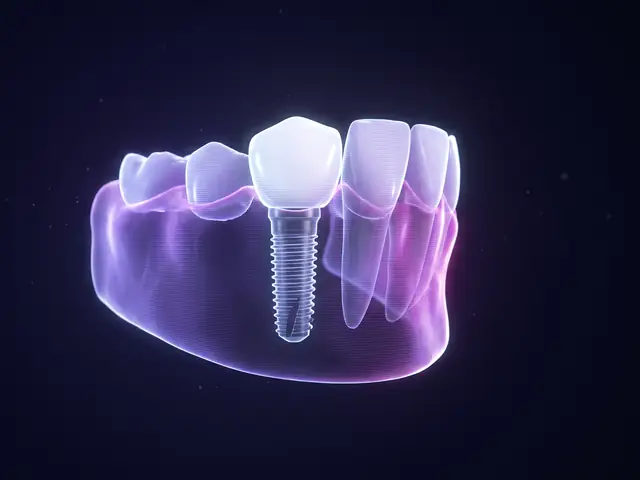
- Implant-supported dentures use several implants to hold a full upper or lower set firmly in place. Not everyone is a candidate. See implant-supported dentures.
- Overdentures or snap-in dentures stay removable but attach to implants for extra stability.
Caring for your dentures
Take dentures out and rinse them after eating, and rinse them again before putting them back in. Brush them at least once a day and soak them overnight. Handle them gently so you do not bend the plastic or clasps. For more tips, see our denture care guide.
Over time, the bone in your mouth can shrink and dentures may loosen. When that happens, they can be relined or replaced; see denture adjustments. Adhesives can help in the meantime and are safe to use in moderation.
Common myths
Dentures do not last forever. They typically last five to 10 years, and changes in color, damage or a loose fit are signs it may be time for new ones. You also still need regular dental visits. Your dentist checks the fit, adjusts the dentures and keeps an eye on your gum health, especially if you smoke or have a condition that affects the gums.
Common questions
How much do dentures cost, and does insurance help?
We can talk through your options and coverage at a consultation. For the details of your plan, you will need to check with your insurance provider.
Will dentures change how I look?
They can improve your appearance. They replace missing teeth, brighten your smile and support the facial muscles so they sag less.
Will they change how I speak?
It can take some time and practice to speak naturally. With time, dentures usually improve speech.
How will new dentures feel?
Strange and a bit awkward at first. The discomfort fades as you get used to them. Our guide to adjusting to new dentures can help.
Am I too young for dentures?
No. Older adults choose them most often, but younger people can get them too. Most dentists wait until age 18 to consider them.