
How risk is kept low
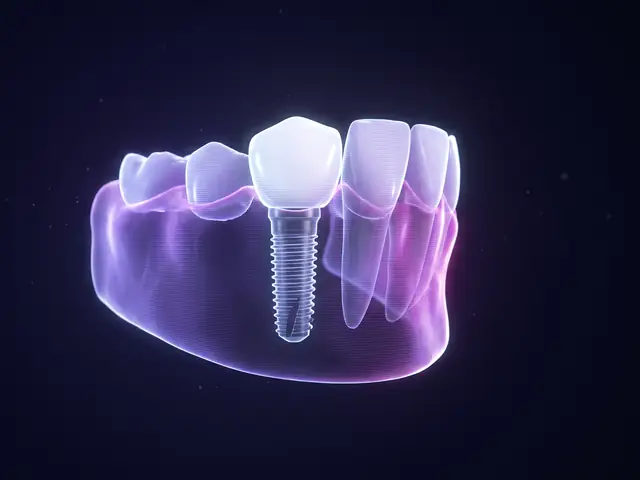
Careful planning guides every step. Treatment of this kind generally starts with a review of your medical history, coordination with your physicians when needed, and detailed imaging to map the bone and key structures. Implants are placed where they respect your anatomy and share the bite load evenly. Sterile technique, precise control of the force used to place implants and appropriate antibiotics support healthy healing. During recovery, your dental team checks the tissues, adjusts how your teeth meet and reinforces home-care instructions.
What results to expect
The denture locks onto the implants, so it stays steady during daily activities. People often report stronger chewing, clearer speech and fewer sore spots, because forces spread across the implants and not just the gums. The implants also stimulate the jawbone, which helps preserve it. With regular maintenance, many full-arch restorations serve reliably for years.
Who qualifies
The best candidates have healthy gums, keep any general health conditions under control and follow home-care guidance. Enough bone makes placement simpler, but modern techniques such as guided surgery, selective grafting and strategic implant placement often help when bone is limited. Quitting tobacco, good hygiene and regular follow-ups improve results. Find out more in am I a candidate for dental implants?
What treatment involves
- Records, digital scans and an analysis of your bite.
- Placement of the implants in the planned positions, with a check that they are stable.
- Often, a temporary denture for appearance and function while you heal.
- Once the implants have integrated with the bone, the final denture is made and the bite is fine-tuned, and you learn how to care for it.
Most people return to their routines quickly, with focused care during the first week.
Care and maintenance
Brush the denture and the implants every day, use the interdental tools we recommend and rinse after meals. At check-ups the dentist removes plaque film, inspects the screws, refreshes components and polishes the acrylic or ceramic surfaces. A nightguard can protect the system if you clench or grind your teeth.
Compared with traditional dentures
Traditional dentures rest on the gums and often need adhesive to stay in place. Implant-supported dentures connect to implants, so they resist movement. The design improves chewing, eases sore areas and supports clearer speech. Many dentists prefer it for long-term stability, as long as your health and anatomy allow.
- Secure fit for confident eating and speaking
- Forces spread to protect soft tissue and bone
- A cleaning routine with specific brushes and floss aids
- Durable materials that keep their appearance under daily use
Learn more about implant-supported dentures or call (781) 289-3331 to schedule a consultation.