
How removable partial dentures work
A removable partial denture is made of natural-looking replacement teeth attached to a flesh-colored base shaped to fit your gums. To make it, we take an impression of your mouth with an elastic material such as alginate, which sets and gives an outline of your gums.
Unlike fixed options such as bridges or implants, you can take it out overnight and to clean it after meals, which many people find makes thorough cleaning easier. Your gums and jawbone often change gradually after an extraction, so occasional adjustments to keep the fit right are normal.
The process
- We take an impression of your teeth and gums so the denture fits and matches the surrounding area. If you have had extractions, we may need to wait for healing first.
- The impression goes to a lab that makes your custom denture before your next visit.
- We check the fit and make adjustments as needed. Because teeth can shift after a tooth is lost, we want to be sure the denture fits well and the surrounding teeth, gums and bone stay healthy.
Benefits
The American College of Prosthodontists cites that as many as 120 million Americans are missing at least one tooth, and removable partial dentures are the choice of many.
- Oral health. Dentures keep neighboring teeth from drifting out of place, which lowers the risk of later bone and gum problems, bone loss and cavities.
- Chewing and speaking. After a short adjustment period, most people talk and chew normally. Molars grind food for digestion and nutrition, and dentures do that job when molars are lost.
- Appearance. Back teeth are not very visible, but missing molars can lead to a shrunken face shape and weakened facial muscles. Partial dentures help keep your face's normal shape.
Implants versus partial dentures
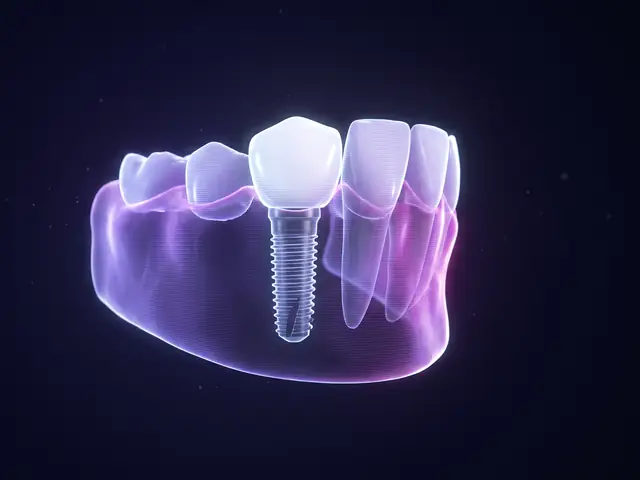
Partial dentures are less invasive than dental implants. Implants support permanent replacement teeth that need no special care, but they may cost more, especially if you need several teeth replaced, and they may not suit someone with reduced bone density in the jaw.
If you are missing more teeth, see our guide to multiple teeth replacement options.
Common questions
Do they look natural?
Advances in dental technology have made partial dentures look more natural. Some bases are made of a pliable acrylic that resembles gums and blends in. In one study, patients preferred the look and feel of a more flexible material.
How much do they cost?
Partial dentures cost much less than other types of restorations, but each one is custom-made, so there is no set price. It depends on the material, the size and the number of teeth. We can go over the price and insurance coverage at your appointment.
How long does it take to get used to one?
The first time can feel awkward, especially after living with several missing teeth. After a few weeks, it should feel more natural.
When do I need to replace it?
Partial dentures need replacing about every five years. Teeth can shift over time and the denture may feel loose. If it slips or feels different, talk to us about an adjustment or replacement.
What can I eat?
Start with soft foods. Avoid sticky or hard foods such as peanut butter, some candies and popcorn, and cut food into smaller pieces while you adjust.