
Why daily care matters
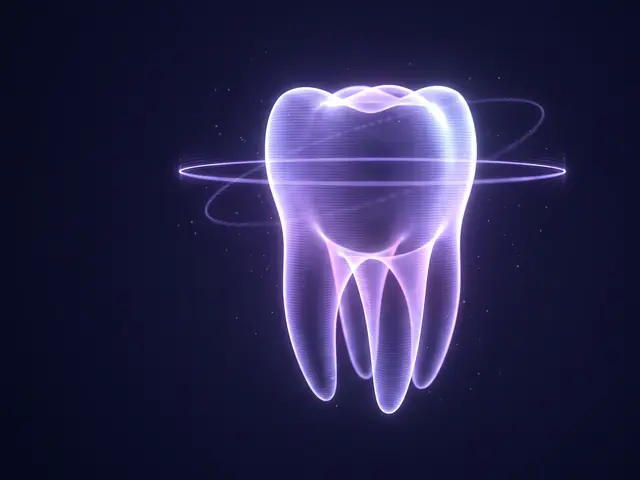
Tooth roots are anchored in the jawbone, which gives your mouth the strength to bite, chew and speak. Without a routine, bacteria build up as plaque and tartar, a yellowish film near the gum line. Over time, that buildup can slip under the gums and form pockets where the tissue pulls away from the teeth. Gums may recede and expose the roots, and bacteria can then reach the bloodstream. Protecting your smile protects your body.
Brushing
Brush twice a day for two minutes with fluoride toothpaste, as the American Dental Association recommends. Quick brushing is almost as bad as none.
- Choose a soft-bristled brush, which is gentler on gums and enamel.
- Use a pea-sized amount of toothpaste.
- Angle the brush at 45 degrees toward the gum line and move it in gentle circles.
- Clean every surface, top and bottom.
Flossing
Floss at least once a day to clean between teeth, where a brush cannot reach.
- Take about 18 to 24 inches of floss and wind most of it around your middle fingers.
- Hold it taut between thumbs and index fingers, leaving an inch or two to work with.
- Slide it gently up and down between the teeth.
- Curve it into a C at the base of each tooth to clean beneath the gum line.
- Use a fresh section for each tooth.
Rinsing
A mouthwash approved by your dentist can add a little fluoride between visits. Some people benefit from one that targets bad breath, dry mouth or gum disease. Follow the label, which usually means swishing a small amount for about a minute.
What you eat and drink
Soda and sugary sweets weaken enamel and make decay more likely. Cheese helps protect enamel, fibrous fruits and vegetables stimulate saliva that clears away particles, and green and black teas can fight plaque-causing bacteria. These foods are good for your body too.
Checkups
Most people should have a checkup every six months. If you have a history of gum disease or other concerns, you may need to come more often. A cleaning removes plaque and polishes your teeth, but it does not replace daily care at home. We may also suggest fluoridated water, quitting tobacco, limiting alcoholic, caffeinated or sugary drinks, managing other diseases that affect your teeth, or a deep cleaning. Learn more about cleanings and exams.
Swollen or sensitive gums, bad breath, pain, trouble chewing or sensitivity to hot or cold are reasons to call (781) 289-3331.
Common questions
Why are regular visits important?
They catch small problems before they grow. Early decay and gum disease can often be reversed before they cause real damage, and untreated they can lead to tooth loss.
Do I need a dentist if nothing hurts?
Yes. Tartar and decay can build up without symptoms, and we can find them before they get worse.
Why do I need dental X-rays?
They show cracks and decay that you cannot see. We take as few as possible to limit radiation. Tell us if you are or may be pregnant.
Is fluoride necessary?
Fluoride strengthens teeth and helps prevent decay. The American Dental Association, the American Academy of Pediatrics and the CDC agree that children should brush with fluoride toothpaste. Adults benefit too.