
What oral surgery is
Oral surgery means incisions, excisions and sutures in the structures of the mouth, some in or around the teeth. Some procedures are as common as extracting a wisdom tooth. Others, like cleft palate repair, are far more complex.
Who does what
Because there are so many kinds of dental surgery, specialists exist. Periodontists are the go-to experts for gum flap surgery. Endodontists perform surgery on the inside of the tooth. Oral and maxillofacial surgeons treat problems from dental implant surgery to lump removal to jaw fracture repair. General dentists can also perform minor oral surgery in several situations.
Tooth extraction
General dentists extract teeth all the time, from damaged front teeth to molars. Some teeth are only partly erupted because teeth, gum tissue or bone is in the way. In that case, the dentist may make small cuts in the gum to get a grip on the tooth and remove it, and may need to remove whatever is blocking it.
Some painful wisdom teeth grow sideways or sit under layers of gum and bone. Removing them requires surgery to expose the tooth, which can involve opening the gum and a layer of jawbone. A general dentist refers these cases to an oral surgeon. Learn more about tooth extraction and wisdom teeth extraction.
Root canals
General dentists perform many root canals, but not all are equal. When the inner anatomy of the tooth is straightforward, a general dentist can reach and remove all the infection, and the success rate is high. When the root anatomy is complex, the chance of failure rises. An endodontist or oral surgeon then steps in for more involved procedures, such as an apicoectomy, which removes the tips of the roots. In those cases, a general dentist refers you to the right specialist. See root canal treatment.
Dental implant surgery
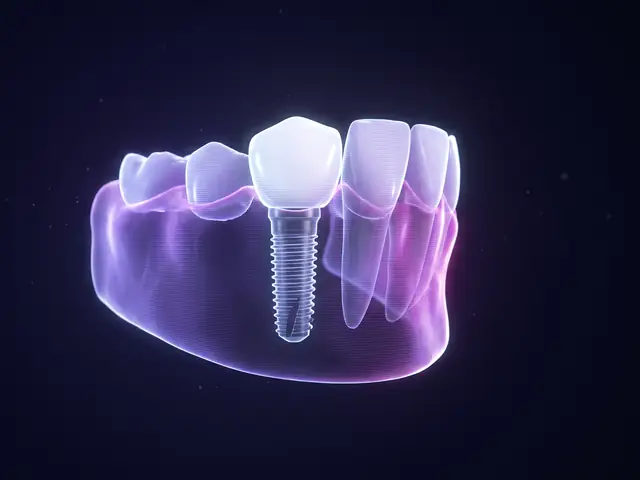
Placing an implant means putting a small biocompatible screw in the jawbone. It connects to an abutment, which in turn connects to the crown or other replacement teeth. This is an intensive surgery, usually handled by oral surgeons and periodontists. Some general dentists get additional training that qualifies them to place implants. Read more about dental implants.
Starting with a diagnosis
Before surgery is even on the table, you need an accurate diagnosis and an explanation of all your options. That is where a general dentist comes in. Schedule an appointment to find out whether oral surgery is the right approach to restore your smile. You can call (781) 289-3331.