
Why a tooth might need a root canal
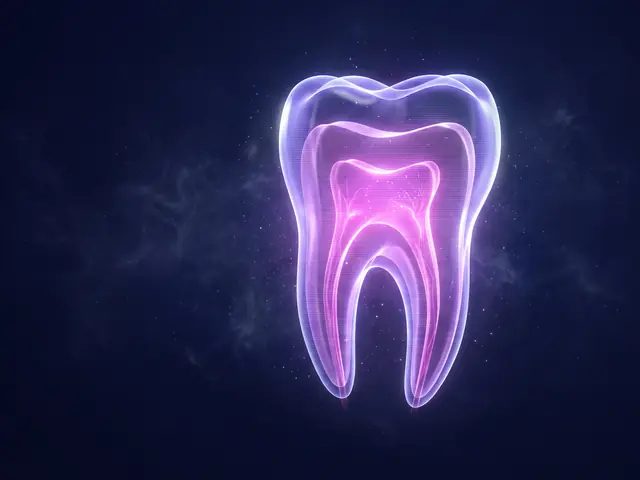
Beneath the enamel and dentin is the pulp, the center of the tooth. It holds blood vessels, nerves and connective tissue. When the pulp is injured or infected, you can have pain, swelling and infection. Sometimes there are no outward symptoms, yet bacteria inside the root canal can still cause decay and damage the jawbone. A root canal removes the affected pulp so the problem does not spread, and in many cases it is what saves the tooth.
Common causes include deep cavities, cracks or chips, a tooth injury, or repeated dental work on the same tooth. Signs to watch for:
- Severe pain or sensitivity when biting or chewing
- Swollen or tender gums
- A bump on the gums
- Gums that look darker
- Pain that lingers
The signs are not always obvious, so an exam is often needed for a diagnosis. Read more in do I need a root canal?.
What happens during treatment
- We take an X-ray, examine your mouth and plan your treatment.
- We numb the area so you stay comfortable.
- We place a protective shield around the tooth to keep bacteria from spreading.
- We make an opening in the top of the tooth, remove the infected pulp and clean the inside. We may use an antibiotic solution to kill bacteria.
- We fill and seal the tooth.
- We restore it with a custom-fitted crown or filling that matches your natural teeth.
Benefits
- Relieves pain and clears infection
- Keeps your natural tooth, which nothing replaces fully in look and function
- Helps prevent infection spreading to nearby teeth
- Restores normal chewing, and the crown or filling restores appearance
- Helps avoid jawbone loss, spacing problems and misalignment that can follow losing a tooth
Risks and alternatives
Root canals are an option for most patients and are generally very successful. Complications such as an abscess are rare. If a tooth is too badly damaged to save, extraction may be the better choice, after which we can prepare a replacement. Extraction usually takes more time and may call for further work on nearby teeth. See tooth extraction.
Avoiding a root canal
Many root canals begin with decay, so brush twice a day and floss once. Keep up with your checkups and see us as soon as a tooth hurts. Cut back on acidic foods and drinks, do not chew ice, and wear a mouthguard for sports or if you grind your teeth at night.
Tooth pain or swelling? Call (781) 289-3331. See emergency dentist for urgent problems.
Common questions
Are root canals painful?
Modern root canals use numbing medication to prevent pain. You may feel some soreness afterward, which usually fades within a few days.
How much does a root canal cost?
It depends on your insurance coverage. A root canal generally costs more than an extraction, but it keeps your tooth and may prevent future dental needs. Our team can help you compare treatment costs.
What are the alternatives?
If the tooth is too damaged, extraction is the main alternative, followed by a replacement tooth. We prefer to save natural teeth when we can.
Can children have a root canal?
Yes, for permanent teeth. For a baby tooth with severe decay, we may recommend extraction, especially if it will fall out soon. Sometimes a baby root canal, similar to an adult one, can preserve the tooth and stop infection.
What is the success rate?
Studies report that root canals work in most cases, with complications being rare.