
What oral surgery covers
Oral surgery includes procedures done inside or around the mouth, gums or jaw. The American Dental Association describes oral and maxillofacial surgery as the dental specialty that diagnoses and surgically treats diseases, injuries and defects affecting both the function and appearance of the mouth, jaws and face. The type of surgery depends on where the problem is and how it is best treated. We discuss it in detail at your consultation so you feel prepared. For more on what a general dentist handles, see which oral surgeries a general dentist performs.
Common reasons for oral surgery
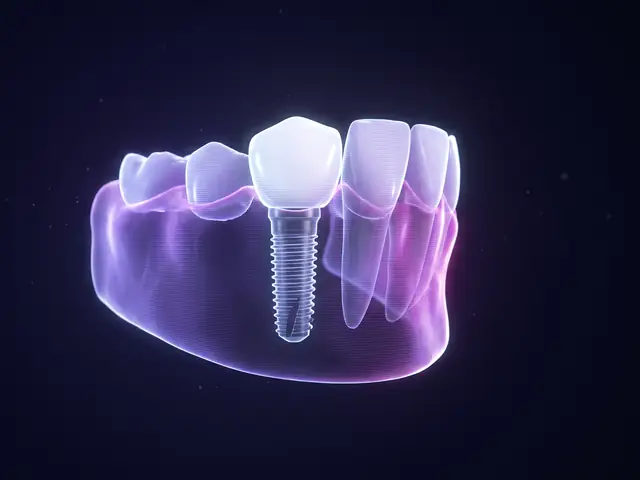
- Tooth loss. Losing natural teeth can wear down the jawbone over time. Dental implants anchor replacement teeth to the bone and help keep it stable.
- Impacted teeth. A tooth is impacted when it is trapped between the jawbone and the gum, usually because it did not come in straight or fully. These are generally removed. Wisdom teeth are the most common example; see wisdom teeth extraction.
- Bite problems. When braces alone cannot correct a misaligned bite, corrective jaw surgery (orthognathic surgery) may be planned together with a surgeon.
- Other treatments include tooth extractions, bone grafting and surgery after facial trauma.
This list is not complete. A consultation tells you which option is right for you.
Preparing for surgery
Ask every question you have at the consultation. We explain your procedure, the instructions to follow before and during it, and anything important you need to know. If you will receive sedation, you may be asked to fast starting at midnight the night before, which prevents a rare complication called aspiration, and you will need someone to drive you to and from the office. Wearing a short-sleeved shirt makes it easier to reach a vein and monitor your blood pressure. Other instructions depend on your case.
The day of surgery
Arrive a little early to complete paperwork and settle in; staying calm keeps your heart rate and blood pressure steady. How long surgery takes depends on the condition, how severe it is and your oral health, and we tell you the estimate in advance. Before starting, we make sure you are numb. Some patients may also need an IV.
Recovery
- Plan on full rest the first day, since you may feel drowsy.
- Keep your head elevated when lying down, avoid strenuous activity and drink plenty of fluids.
- Take prescribed pain relievers and antibiotics as directed.
- Bruising, bleeding and swelling are normal for the first few days. Call us if they persist or other symptoms worry you.
Most people can eat normally about a week after surgery, though that varies by procedure and medication.
Common questions
Is oral surgery painful?
Anesthesia keeps you comfortable during the procedure. Numbness usually lasts at least an hour and sometimes the rest of the day. Afterward there will be soreness, which is managed with the pain medication and antibiotics you are given.
What is dry socket?
It happens after an extraction when the blood clot does not form or comes loose, exposing the bone. Symptoms are bad breath, a foul taste and increased pain. Poor hygiene, smoking and overexertion raise the risk. Call us if you notice these signs.
Which oral surgery is most common?
Wisdom tooth removal. Other common procedures are dental implants, bone grafting, corrective jaw surgery and surgery for facial trauma.
Does insurance cover oral surgery?
Many dental plans include it. Check with your provider before scheduling so you know your benefits and what you may owe.
When can I resume eating and normal activities?
Often within about a week, but it depends on the surgery. We go over it with you before and after.