
Signs to watch for
- Sensitivity to hot, cold or sweet: a sharp, shooting pain, or a dull ache that lingers after the trigger, can mean decay has reached the sensitive inner layer of the tooth. Treat both with equal seriousness.
- Pain when chewing: food can get stuck in a cavity, and chewing pressure can stress a weakened or cracked tooth.
- Pain with no clear cause, or sore, swollen gums around one tooth: bacteria may have reached the pulp, the tooth's center.
- A visible hole, pit or dark spot: cavities show up most often on the chewing surfaces of back teeth, which are harder to clean.
- A change in how the tooth feels: your tongue can often detect a new rough spot or dent before you can see it.
- Discoloration: brown or yellow staining can point to a weakened tooth. A darkened or grayish tooth may mean the nerve and blood vessels inside are in trouble and needs to be checked.
- A bitter or unpleasant taste in your mouth, especially along with other signs.
- A chipped or cracked tooth, or an older filling that has cracked, worn down or fallen out.
A white, chalky patch can be an early warning that enamel is weakening. At that stage we may recommend fluoride and enamel-strengthening care instead of a filling. Tiny holes may also respond to fluoride, while larger ones need more extensive treatment.
Why treating early matters
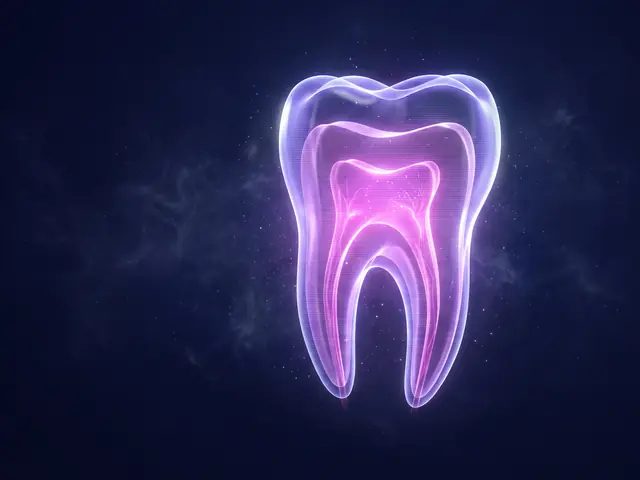
A cavity cannot heal on its own once it has formed a hole. Decay starts in the enamel, which is the easiest stage to repair. It then moves into the dentin underneath, a layer with tiny channels that lead toward the center of the tooth. That is when sudden, stabbing pain from sweets, heat or cold tends to start.
If decay keeps going, bacteria can reach the pulp and cause infection. In serious cases the infection can spread beyond the tooth. The tooth may then need a root canal or a crown, or it may be lost. A filling placed early is simpler, takes about one visit and usually protects more of your natural tooth.
Cavities in children
Baby teeth get cavities too. Bacteria feed on the sugars in milk and other foods and produce acid that damages enamel. Filling a baby tooth early can prevent pain and tooth loss and protect the permanent teeth coming in behind it. This is one reason we encourage dental visits from an early age.
What a filling does for you
- Removes the decay and seals the tooth
- Relieves pain and sensitivity
- Restores your ability to bite, chew and speak comfortably
- Reinforces a weakened tooth and lowers the risk of fracture
- Can keep a bite from shifting out of balance after damage
- Can match your natural tooth color
Regular checkups catch cavities early
Not every cavity hurts. During a checkup and cleaning, the dentist looks for decay, and we remove the hardened plaque that feeds it. If it has been more than six months, you may need a filling without knowing it. To see how a filling is placed, read our dental fillings guide.
Pain that is constant or throbbing, swelling or a bad taste needs prompt attention. Call us at (781) 289-3331.
Common questions
Can a cavity heal on its own?
No. Once a hole has formed, it will not heal by itself and usually keeps growing. Very early enamel weakening, such as a white spot, can sometimes be strengthened with fluoride.
Does every cavity hurt?
No. Some cause no symptoms until they are fairly deep, which is why regular exams matter.
What if I wait?
Waiting lets decay deepen and can lead to more invasive treatment, such as a root canal, a crown or an extraction.
Will a filling look natural?
Tooth-colored materials can be matched to your teeth so the repair blends in, especially on visible teeth.