
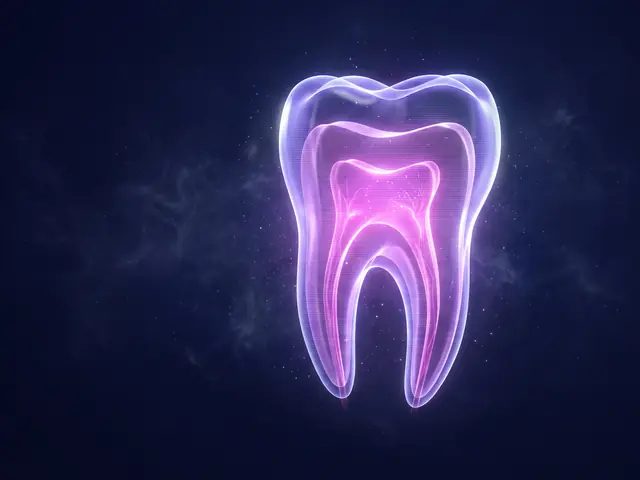
The layers of a tooth
A tooth has three main layers. Enamel is the hard outer shell. Dentin sits beneath it and acts as a buffer. The pulp at the center holds the nerves and blood vessels that keep the tooth alive.
Even a small fracture can weaken the enamel and leave the inner layers open to bacteria and infection. If you think a tooth is fractured, contact us promptly.
What makes it a root fracture
In a root fracture, the crack involves the dentin, the cementum (the bone-like covering of the root) and the pulp. Fractures generally fall into two groups, vertical and oblique, and each calls for a different approach with different odds of success. Once bacteria enter, infection can follow, with pain when chewing and sensitivity to hot and cold.
Oblique fractures
Oblique fractures run at an angle through the tooth. They come in three forms:
- Supragingival. The crack stays above the gum line and affects only the crown. A piece may break off. There is often little pain because the pulp is intact, but infection or pain can develop later if the tooth is not treated.
- Subgingival. The crack extends below the gum line. The broken piece often stays attached to the gum, so these fractures are usually painful. Some people go years before feeling anything.
- Within the root. The damage sits under the gum and bone, so it cannot be seen on the surface. It is often very painful. Depending on how deep it goes, the tooth may need a root canal or extraction.
Vertical fractures
A vertical fracture starts in the root and runs up toward the crown. Because it may cause no symptoms, it can go unnoticed. Two forms are:
- Furcation fractures, where the crack reaches the point at which the root divides. The nerve is often involved, the tooth is painful and hard to use.
- Apical fractures, which run down the middle of the tooth and root. These hurt and need a visit. Sometimes a root canal can save the tooth.
Vertical fractures often affect weakened teeth or teeth that already had a root canal or crown. Healthy teeth can also crack from chewing on hard things like ice or popcorn kernels. In some cases, a special bonding cement can help keep a fracture from getting worse.
Treatment and aftercare
The plan depends on how deep the crack goes and the tooth's long-term outlook. A tooth may be stabilized, may need a root canal if the pulp is involved or, if the fracture is too severe, may need extraction. Afterward, be careful with what you eat while the tooth heals. We will review home care with you.
Common questions
How does a root fracture happen?
An injury can cause one, as can wear in teeth that already have a root canal or crown. Healthy teeth can crack too when you chew hard foods and objects.
What are the symptoms?
Some root fractures cause none. When they do, you may feel pain when biting or chewing, sensitivity to hot and cold, or gum swelling. Symptoms may come and go.
How are root fractures treated?
It depends on severity. Sometimes the tooth can be stabilized, a root canal is needed if the pulp is affected, and some fractures are severe enough to require extraction.
What happens after treatment?
You will need to watch what you eat so the tooth heals properly, and we will go over how to care for it at home.