
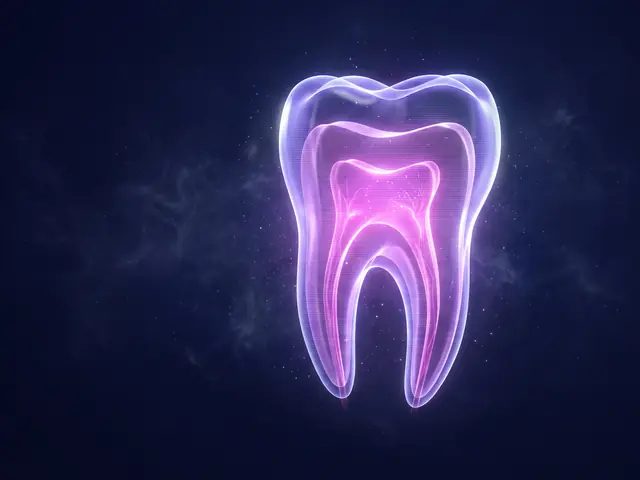
Symptoms of a cracked tooth
Cracks range from a thin line in the enamel to a fracture that reaches the root. Many are too small to see, and some do not show on an X-ray. We may use dental dye or magnification to find them. Common warning signs include:
- Pain when you bite or chew
- Pain that comes and goes
- Sensitivity to hot and cold
- A small bump on the gum, which can signal infection
- General discomfort in the teeth and gums
These signs can also point to other problems, so we examine you carefully before recommending anything.
Cracked tooth syndrome
Cracked tooth syndrome is a crack too small to appear on an X-ray, or hidden under the gum. It most often affects molars. Unlike a cavity, the pain is not constant. It shows up when you bite down and then fades, which is why it can go undiagnosed for months.
You are more likely to have it if you grind or clench your teeth, have large fillings, have had a root canal, or have a bite that puts extra pressure on one tooth.
How we treat a cracked tooth
Treatment depends on the location and extent of the crack. A tiny crack without symptoms may only need monitoring. Others can be repaired with bonding, a filling or a crown.
If the crack irritates or infects the pulp, you may need a root canal. We remove the damaged pulp, clean and shape the inside of the tooth and fill it. A crown then protects the tooth, and it can work like any other natural tooth.
When a cracked tooth cannot be saved
If a crack is left alone, the pulp can die and the infection can spread. A crack that extends below the gum line may be beyond repair, and extraction becomes the only option. Replacement choices are better than ever, but keeping your own tooth is almost always best, so see us as soon as you suspect a crack.
Aftercare
Keep up with regular checkups and brush and floss every day. A crack never fully heals the way a broken bone does, so call us if discomfort returns.
Pain when you bite is worth a call. The sooner a crack is found, the more options you have.
Common questions
How do I know if I have a cracked tooth?
The signs overlap with other dental problems, but pain when biting or sensitivity to hot and cold are typical. Do not ignore them. Earlier diagnosis means better treatment.
How can I keep my teeth from cracking?
You cannot prevent every crack, but you can lower the risk. Avoid chewing ice, pens and other hard objects. Ask about a night guard if you clench or grind, and wear a mouthguard for contact sports.
Why does a cracked tooth hurt?
Inside the tooth is the pulp, which holds nerves and blood vessels. When the hard outer layers are cracked, chewing moves the pieces and irritates the pulp.