
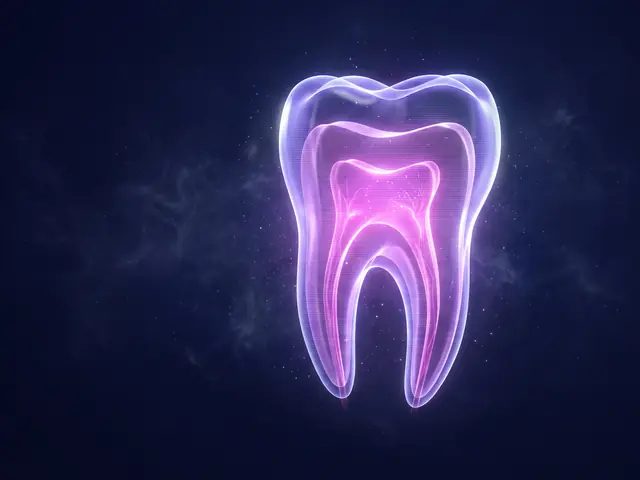
When a root canal is needed
The pulp inside a tooth holds nerves and blood vessels. It can become irritated or infected from deep decay, repeated dental work, a large filling, a chip or crack, or an injury to the face. A root canal removes the damaged pulp so you can keep the tooth.
Signs include:
- Sensitivity to hot or cold foods and drinks
- Severe discomfort when chewing or biting
- Small pimple-like bumps on the gums
- Swollen or tender gums
The longer you wait, the more likely the surrounding tissue becomes infected, and the more likely the tooth may need to come out.
A common, well-established treatment
Root canals are performed millions of times a year. They remove bacteria from inside the tooth and spare you an extraction. With good care, a treated tooth can last a lifetime.
Three myths about root canals
- Myth: they are painful. Decades ago this may have been true. With modern anesthetics and techniques, the experience is comparable to having a cavity filled, and the treatment relieves the toothache by removing its source.
- Myth: they make you sick. This idea comes from an old, poorly designed study that has long been discredited. There is no valid scientific evidence that root canals cause illness.
- Myth: pulling the tooth is better. Saving your natural tooth is usually safer, less painful and more economical in the long run. An extraction often means paying for a replacement too.
Benefits and drawbacks
Benefits include pain relief, stopping the spread of infection, protecting nearby teeth from strain and keeping your bite balanced.
Drawbacks are few. A treated tooth can be weaker, so we often protect it with a crown. Some discomfort or reinfection is possible, and a hidden canal can be missed, which may mean retreatment later. Following your aftercare instructions lowers these risks.
Rare complications
A new infection after a root canal is the most likely problem. It can happen if the filling material breaks down, if a tooth has more canals than expected and one stays uncleaned, if the restoration lets bacteria in, or if there is an undetected crack in the root. Most of the time a retreatment solves it. Occasionally a small surgery called an apicoectomy, which trims the tip of the root, is needed.
Toothache, sensitivity or a bump on the gum? Call us at (781) 289-3331 and we will find out whether a root canal can help.
Common questions
When would I need a root canal?
When an infection or damage reaches the nerve of the tooth. A bad crack or a broken tooth can also lead to one. Typical signs are pain when chewing and lasting sensitivity to hot and cold.
Are root canals painful?
No more than having a cavity filled. We help you stay comfortable during and after the procedure.
Is there an alternative to a root canal?
The only other realistic option is extraction. Dentists recommend trying to save your natural tooth first.
How can I avoid root canals in the future?
Brush and floss daily, keep up with checkups and cleanings, and limit sugary foods. If you play contact sports, wear a custom mouthguard.