
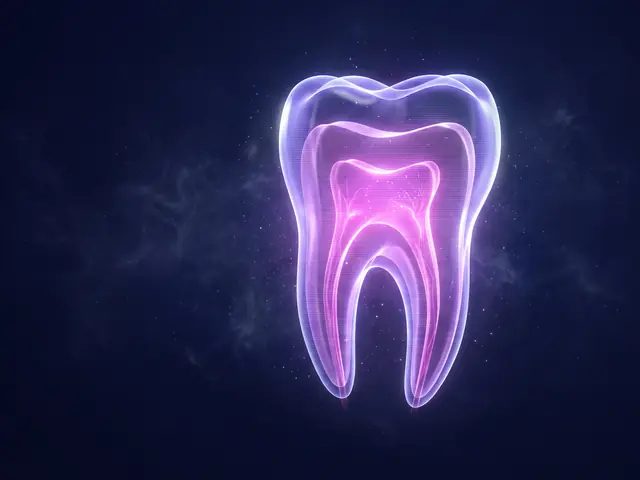
How the procedure works
A root canal removes infected pulp from inside the tooth. The pulp holds nerves and blood vessels, and it can become inflamed or infected from deep cavities, cracks, repeated dental work or trauma. Once that happens it cannot heal on its own and has to be removed. We use dental X-rays to find a deep infection and confirm the need for treatment.
- We numb the area with local anesthesia.
- We make a small opening in the tooth to reach the pulp chamber and canals.
- We remove the infected pulp, then clean, shape and fill the inside of the tooth.
- We close the opening with a temporary or permanent filling.
- We usually recommend a crown to restore the tooth's strength, function and appearance.
Is a root canal painful?
The procedure is usually no more uncomfortable than getting a filling or a crown. The pain people associate with root canals generally comes from the infection that was there before treatment, not from the treatment itself. Once the damaged tissue is removed and the canal is disinfected, most people feel relief quickly.
You may notice some pressure or vibration while we work, but you should not feel sharp pain.
Managing discomfort afterward
- Mild sensitivity is common and usually responds to over-the-counter pain relievers.
- Avoid chewing on the treated side until the permanent restoration is placed.
- Brush gently, rinse with salt water and avoid hard foods.
- If we prescribe antibiotics, finish the whole course to help prevent infection.
Relief in the long run
Once the inflamed or infected tissue is gone, the pressure, swelling and sensitivity that hurt so much go away. That is why a root canal usually leaves you more comfortable than before.
Tooth pain that lingers? Call us at (781) 289-3331 to schedule an exam at our Revere office.