
The two options
Braces have been used for decades. Today they come in stainless steel, tooth-colored ceramic and even gold-colored versions, and many people choose colors to personalize them. Brackets and wires do the work, so careful brushing and flossing matter to avoid sore gums and enamel damage.
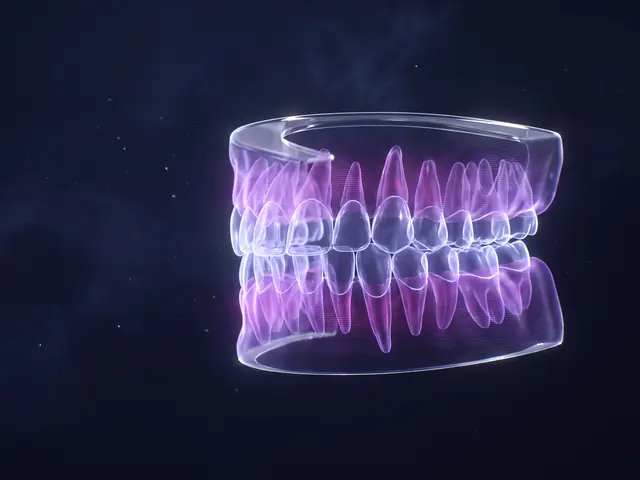
Invisalign uses a series of clear, custom-made plastic trays with no brackets or wires. It can correct gaps, crowding, crooked teeth, overbites and underbites. Invisalign Teen is the version designed for teenagers. You brush and floss before putting the trays in, and clean them daily.
Treatment time
Invisalign treatment often takes somewhere between about 6 and 24 months, depending on how much needs to change. Some patients need small refinements afterward. Braces typically stay on for one to three years. With either one, ignoring instructions can add time.
How well they work
Both can work well. Braces use brackets, wires and elastics to shift teeth, and they can move teeth and the jaw more precisely, which makes them the usual choice for complex cases. Aligners are worn 20 to 22 hours a day, while braces work around the clock. Aligners are removable, so they depend on you to wear them. After either treatment, you will usually need a retainer to keep your teeth where they are.
Eating and drinking
With braces, you avoid hard, sticky and chewy foods such as popcorn, gum and hard crackers, and you limit sugary food and drink. With Invisalign, you take the trays out to eat and drink anything other than plain water, so no foods are off-limits. Brush before putting the trays back in to prevent staining.
Looks
Aligners are nearly invisible, which appeals to teens and adults, including for photos. They can also come out for contact sports. Braces are more noticeable but can handle some movements aligners cannot.
Not sure which is right for you? We will look at your teeth and help you decide. Call (781) 289-3331 to book a consultation.
Common questions
Which is more comfortable?
Braces can cause soreness after they are placed or adjusted, and brackets and wires may irritate the cheeks and lips. Aligners are custom-fit and usually comfortable, though you may feel pressure when you switch to a new set.
Which takes longer?
It depends on the case. Braces often take 18 to 24 months or more, while many Invisalign patients finish sooner, in some cases within 6 to 18 months.
Are there dietary restrictions?
Braces require you to avoid nuts, sticky foods and gum. Invisalign has no food restrictions because the trays come out for meals. With either one, brush at least twice a day and limit sugary food and drink.
Which is more expensive?
Cost depends on the problem being treated and the length of treatment. Every insurance plan is different, so check your coverage before you start.
How often are the visits?
With braces, usually about every four weeks for adjustments. With Invisalign, about every four to six weeks to check progress, and the visits are quicker because nothing needs to be adjusted.