
How aligners differ from metal braces
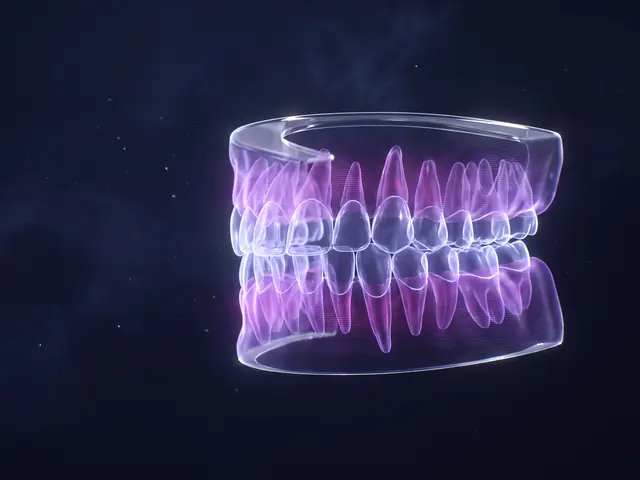
Metal braces move teeth with brackets and wires. Clear aligners use a series of trays molded to your teen's teeth, and each tray moves them a little further. Your teen wears each tray for a week or two, then switches to the next one.
Because the trays are made as one piece, they apply gentle pressure to all the teeth at once. Braces move teeth one at a time. In some cases, that can shorten treatment by as much as six months compared with traditional braces.
Why teens like them
- Less noticeable. The trays are close to invisible, so many teens feel less self-conscious.
- Fewer visits. Teens change trays at home, so there are fewer appointments to adjust wires. That means less time away from school and activities.
- More comfortable. Aligners tend to cause less discomfort than brackets and wires.
- Easier to keep clean. Teens take the trays out to eat and drink, and brushing and flossing are simpler than with braces.
Sports and active teens
Contact sports can damage metal braces and cut the soft tissue inside the mouth. Aligners fit snugly, so a regular mouth guard works well over them. If a teen forgets the mouth guard, the aligners are much less likely to be damaged than braces would be.
Wearing and cleaning aligners
Aligners work only when they are worn. Teens should wear them 20 to 22 hours a day and take them out just to eat and drink. Because they are easy to remove, they are also easy to forget, and skipping wear time can slow results or stop progress.
- Remove the aligners only to eat or drink.
- Brush and floss before putting them back in, so food does not get trapped under the trays.
- Every day, scrub the trays gently with a soft toothbrush and warm water.
- Rinse them with cold water each time you take them out, and keep them in their case.
Dirty trays can build up bacteria and cause bad breath. Straight teeth are also easier to clean, which supports long-term oral health.
When aligners may not be the right fit
Aligners may not work well for complicated bite problems or severe crowding. They are also not usually a good match for younger children whose jaws and teeth are still growing, or for anyone with gum disease, receding gums or weakened bone. We will tell you honestly which option fits your teen. To learn more about our teen program, see Invisalign Teen.
Ready to find out if aligners are right for your teen? Call us at (781) 289-3331 to schedule a visit.
Common questions
What happens after aligner treatment ends?
Most people receive a retainer to keep their teeth from shifting back. We will tell you what is best for your teen.
What should we expect at the first appointment?
We examine your teen's mouth and talk about their goals. If aligners look like a good fit, we may take digital scans, photos and X-rays to build an accurate model of their teeth.
How long does it take to get the aligners?
Usually about three to four weeks. We send your teen's information and treatment notes to a lab, and the timing can change if the digital plan needs adjustments.
Is a retainer necessary?
Most patients need one after any orthodontic treatment so the teeth stay in their new positions. We will set up the plan that suits your teen.
When are clear aligners not an option?
They may not suit complex bite problems, severe alignment issues, very young patients with growing jaws, or people with gum disease, receding gums or weakened bone.