
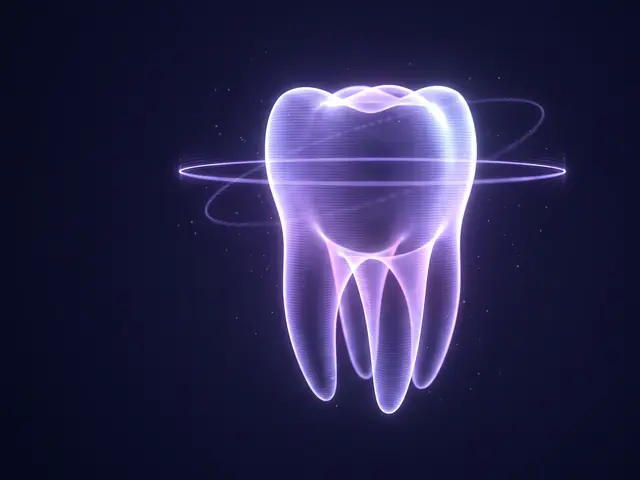
What sealants are
A sealant is a thin protective coating painted on the chewing surface of a molar. It bonds to the enamel and hardens into a shield that seals the cracks and grooves where food and bacteria collect. Brushing and flossing are still essential, and many childhood cavities can be prevented. Learn more about our dental sealants.
Why molars need extra help
The American Dental Association calls brushing and flossing the best ways to prevent cavities. But children have a hard time reaching the back teeth, and molars have rough, uneven surfaces that trap leftover food and cavity-causing bacteria. Sealants are especially helpful for children whose teeth have gaps between them.
Protection against sweets and sticky foods
Kids love sugary and acidic drinks and sticky treats like toffee, taffy and gummy candy. These cling to teeth and are hard to brush away, and bacteria feed on the sugar. A sealant adds a defense in the most vulnerable spots.
A cushion for busy routines
Many children skip a morning brushing or forget to floss, and busy parents may not notice. A sealant is not a replacement for brushing and flossing. It makes it harder for bacteria and food to penetrate the enamel, buying some extra time to catch up.
What the numbers say
According to the American Dental Association, sealants reduce the risk of decay in molars by almost 80%. A 2016 CDC report found that school-age children without sealants have almost three times more cavities than children with them. The CDC also reports that the painless procedure prevents about 80% of cavities for two years and about 50% for up to four years, and sealants can stay in place for as long as nine years. At each checkup we check the condition of your child's sealants and reapply them if needed.
By preventing decay, sealants can also help avoid fillings and other treatment later.
Ask about sealants at your child's next visit: (781) 289-3331.
Common questions
Why choose sealants instead of fillings?
Decay causes permanent damage that weakens the tooth and makes it more vulnerable. A sealant protects the natural surface of the tooth before that happens.
Can sealants replace fluoride?
No. Sealants cannot help teeth remineralize the way fluoride does. They work best together.
What is a cavity?
A cavity is a permanent hole in a tooth caused by decay. Left untreated, it can grow and become infected. Cavities are most common in the grooves of the back teeth.
What do sealants look like?
They are usually not visible when your child talks or smiles. They can be white, clear or slightly tinted.
When is the best time for sealants?
Soon after the permanent molars come in. For most children, that is around age 6 for the first molars and around age 12 for the second set.