
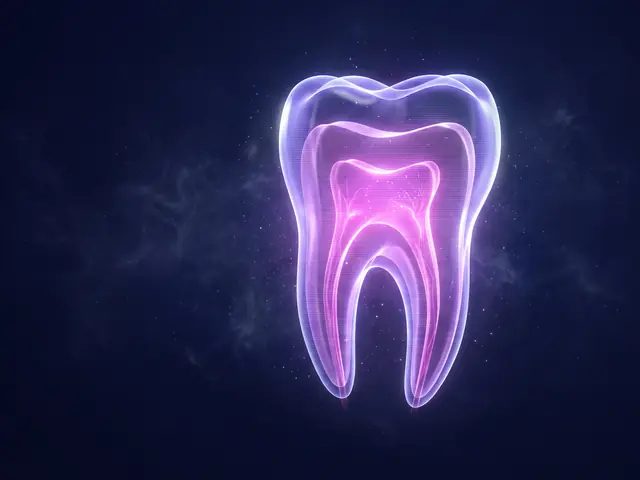
What endodontic surgery does
Endodontic surgery is aimed at the soft tissue inside the tooth and at the tip of the root. It is often the next step when a root canal alone has not solved the problem, and its goal is to keep your natural tooth instead of removing it.
Many people expect it to be painful. In practice, modern techniques and anesthesia keep patients comfortable, and treatment usually brings relief because it clears the infection and repairs the damage.
Signs to watch for
- Pain or sensitivity that lingers. Some sensitivity to hot and cold is common. Pain that stays after you finish eating or drinking, or that continues after a professional cleaning, can mean weak enamel or an infection inside the tooth.
- Tenderness. A tooth that hurts when you chew or when you touch it lightly may be cracked or infected. This kind of pain does not go away on its own and tends to get worse.
- Swelling or drainage. Swollen gums are a clear sign of infection. If pus drains from the gum, an abscess is likely. Treatment removes the infection, lets the swelling settle and seals the tooth.
- Discoloration. A tooth that turns distinctly yellow, brown or gray, especially along with pain or swelling, may have a problem inside. Treatment can stop it from getting worse. The color usually does not reverse by itself, but whitening can be considered once the tooth has healed.
- An abscess at the root. An abscess is a pocket of infection that often sits at the tip of the root. It can be invisible from the outside, so tooth pain and tenderness are often the first clues.
- A bump on the gum near the tooth. Infection is a common cause. Other things can also form bumps, including cysts, canker sores or, rarely, an oral cancer sore, so we first find out what the bump is and why it appeared.
What happens next
We start with an exam and X-rays to find the source of the problem. Depending on what we see, treatment may be a root canal, a retreatment of an earlier root canal, or an apicoectomy, which removes the infected tip of the root. After treatment most people can return to normal activities the next day. If you feel pain, dizziness or fatigue, rest and call us.
Do not wait for tooth pain to go away by itself. If you notice any of these signs, call us at (781) 289-3331 to schedule an exam.
Common questions
What types of endodontic treatment are there?
The most common is a root canal, which removes infected pulp from inside the tooth. An apicoectomy removes an infection at the tip of the root after a root canal. Sometimes the canal also needs to be cleared of calcium deposits before it can be treated.
Does endodontic surgery hurt?
Anesthesia keeps you comfortable during treatment. Some tenderness for a few days afterward is normal. We may recommend medication for pain or swelling, depending on your case.
Can I drive myself home?
After a root canal with local anesthetic, most people can drive. If your treatment needs deeper anesthesia, you will need a ride, and we will tell you ahead of time.
How much will it cost?
It depends on the type of treatment and how advanced the problem is. Check your insurance coverage before treatment, and we can talk through your options at your visit.
When can I get back to normal?
Most people resume normal activities the next day. If pain, dizziness or fatigue appear, rest, and contact us if symptoms get worse.